

Our Mission
To develop Montessori pedagogy in Georgia and facilitate the implementation of international standards.

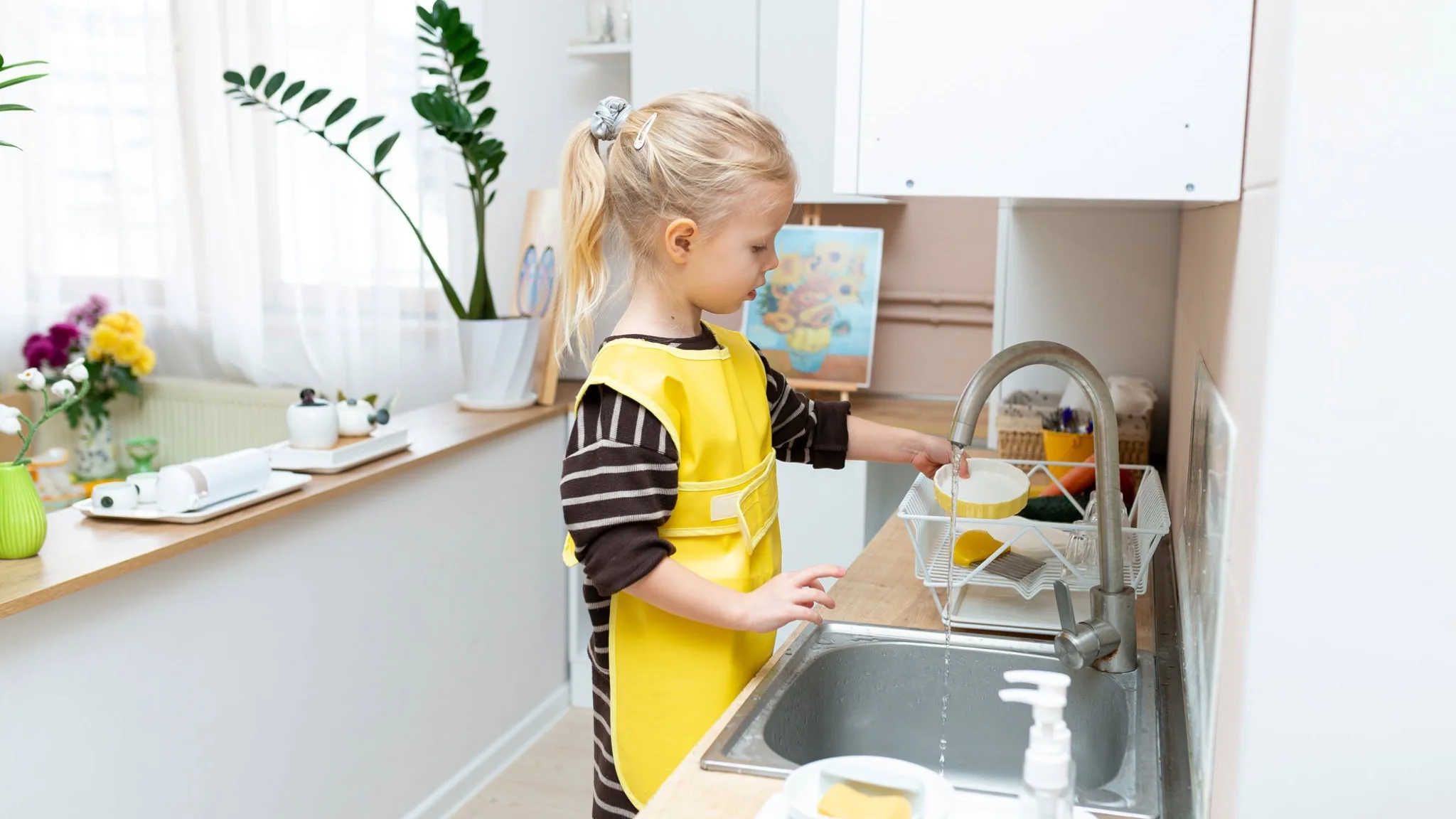
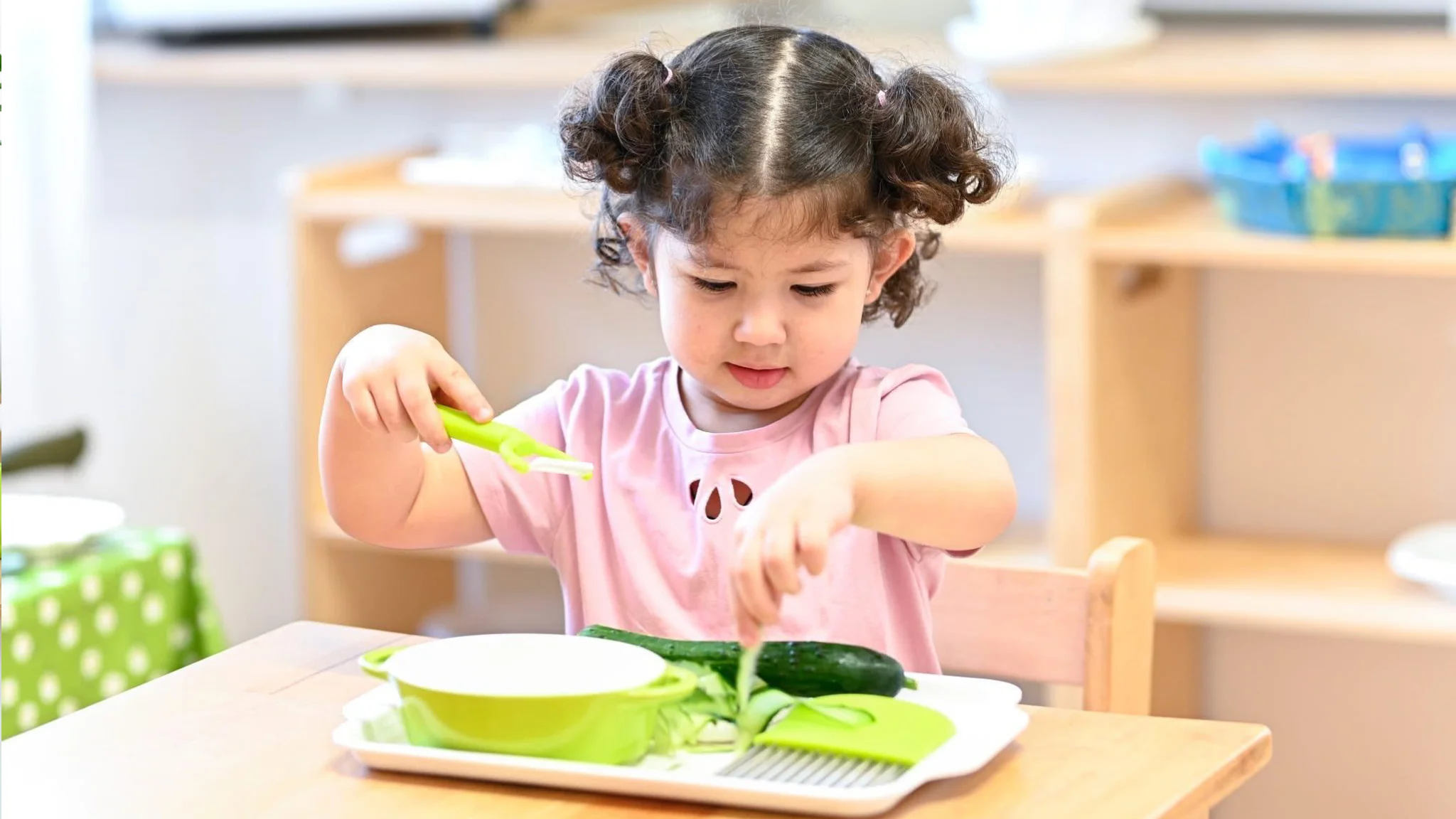
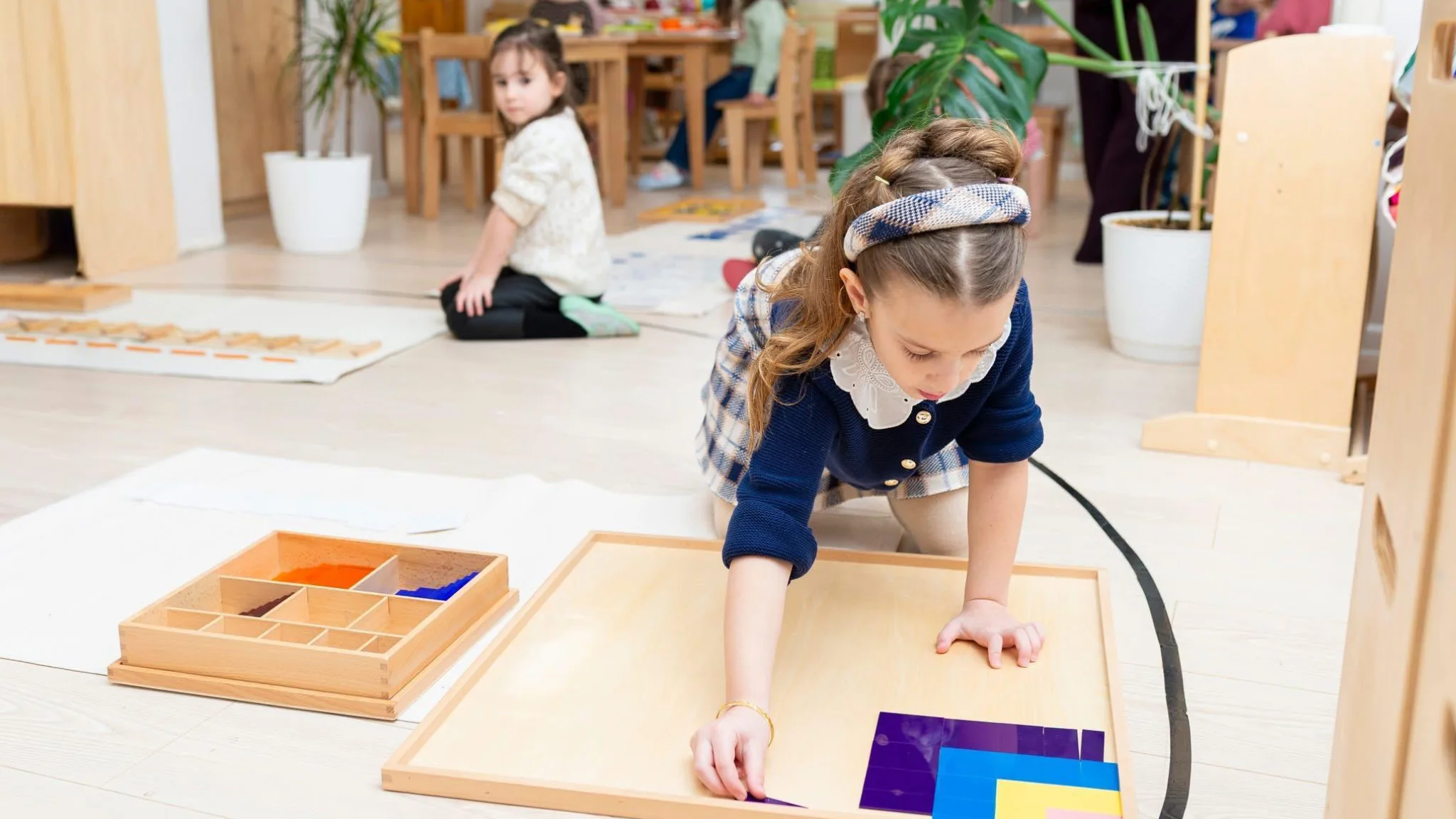
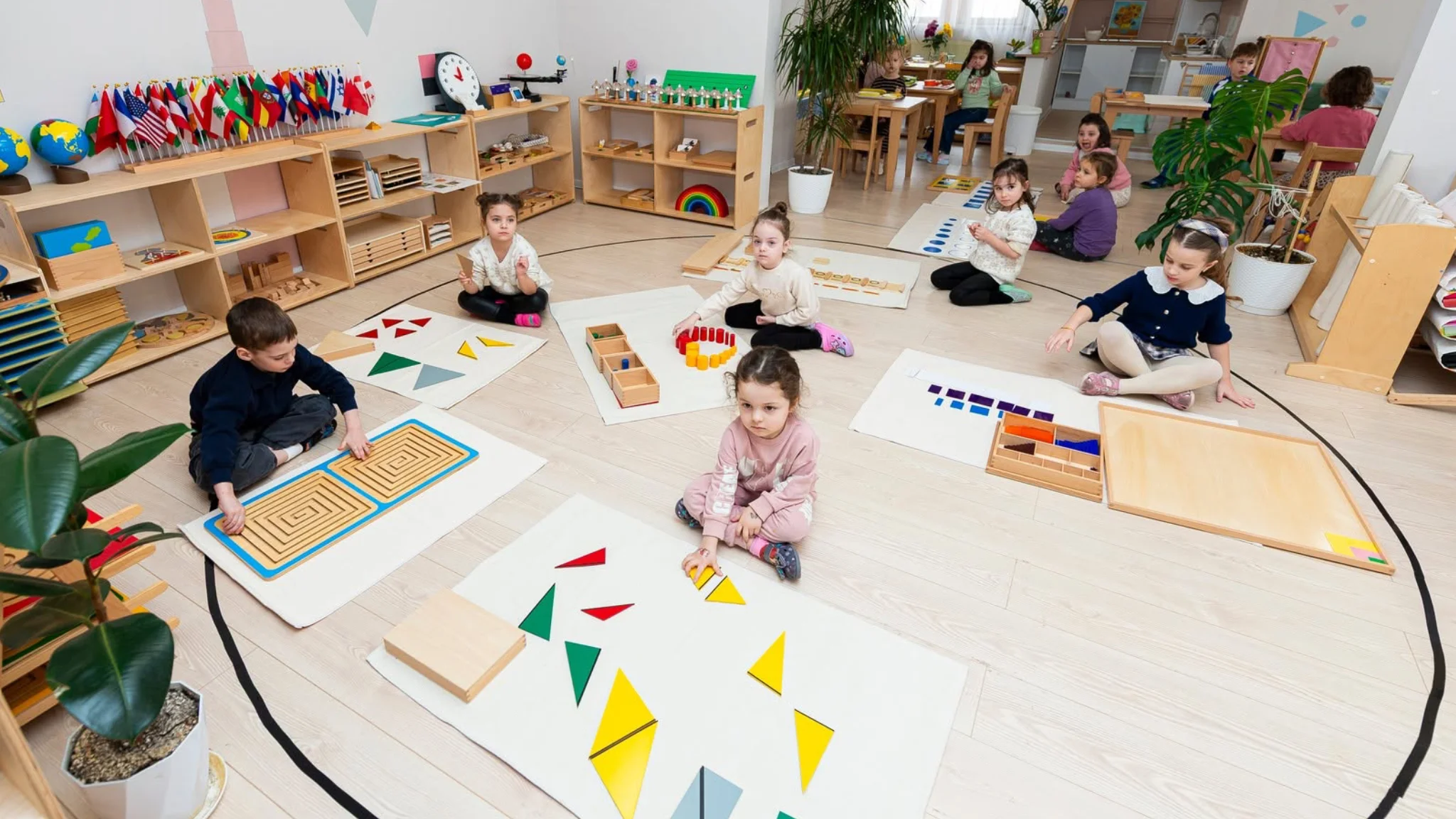
Association Montessori Georgia is an organization dedicated to advancing Montessori pedagogy in Georgia, implementing international standards, and fostering high-quality, child-centered education.
The Association unites individuals who believe that education should be rooted in respect for the child’s personality, support for their independence, and nurturing of their natural development. Based on these core values, we work towards promoting the Montessori method, advancing professional development, building international partnerships, and raising public awareness.
Our work includes disseminating reliable information about Montessori pedagogy, supporting educators and educational institutions, collaborating with international partners, creating professional growth opportunities, increasing the availability of Montessori literature in Georgian, and developing quality educational environments.
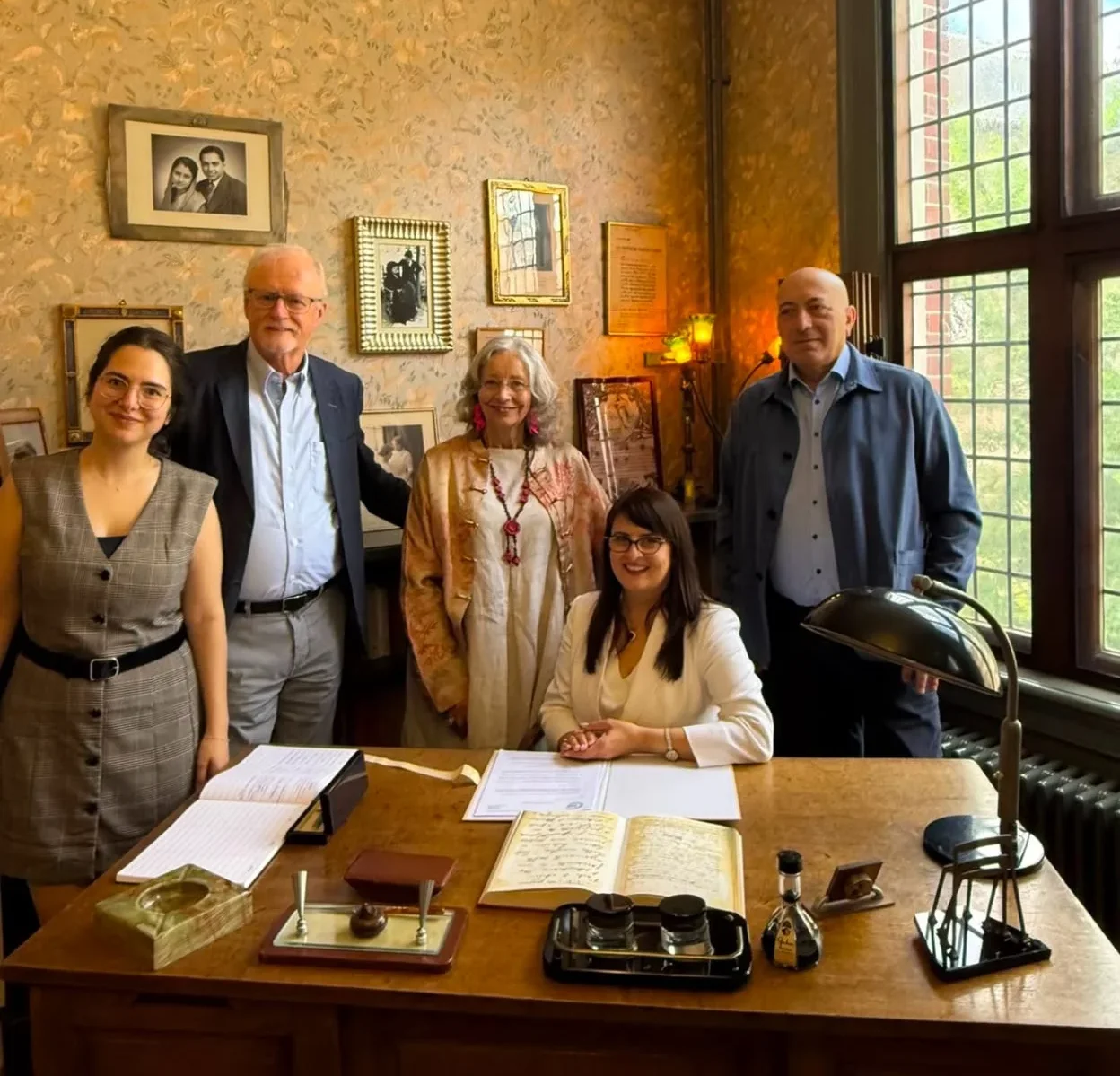
Association Montessori Georgia is the official representative of the Association Montessori Internationale (AMI) in Georgia. This partnership provides access to a global professional network and supports the development of Montessori education in accordance with international standards.
We believe that education is not merely about gaining academic knowledge. It is a process that helps a child develop into an independent, responsible, creative, and compassionate individual. That is why the child — with their unique abilities, interests, and natural path of growth — is always at the center of everything we do.
Our vision is to build a strong Montessori education ecosystem in Georgia, where children, parents, and educators have access to high-quality education, modern resources, and international expertise. To achieve this, we collaborate with local and global partners, implement best practices, and create new avenues for professional development.
Association Montessori Georgia continues its commitment to making Montessori pedagogy accessible, high-quality, and fully aligned with international standards across Georgia.
To develop Montessori pedagogy in Georgia and facilitate the implementation of international standards.
To create an educational environment in Georgia where every child can fully realize their potential.
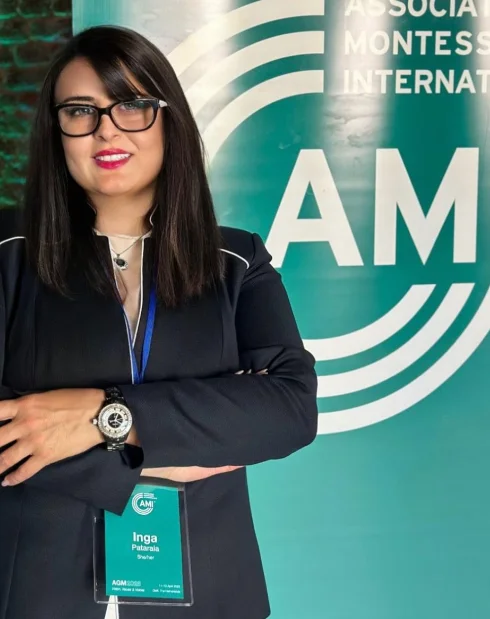
One of the leading figures in promoting Montessori education in Georgia and holder of an AMI Diploma (Montessori Higher Academy, Munich). She is actively involved in early childhood education initiatives and has authored articles exploring the role of preschool education in achieving Sustainable Development Goals. Her professional leadership also includes serving as Director across various organizations.
Georgian entrepreneur, winemaker.
The Montessori method is a child-centered educational approach developed in the early 20th century by Italian physician and educator Dr. Maria Montessori. Built upon decades of scientific observation and practical research, the method is today practiced in thousands of educational institutions around the globe.
The core idea of Montessori education is that every child is naturally motivated to learn, explore their environment, and develop their capabilities. A thoughtfully prepared environment, age-appropriate materials, and respect for a child’s unique developmental pace create conditions where learning naturally grows out of curiosity, hands-on experience, and self-discovery.
The Montessori approach is anchored in several fundamental principles:
Respect for the Child – Every child is unique and develops at their own individual pace.
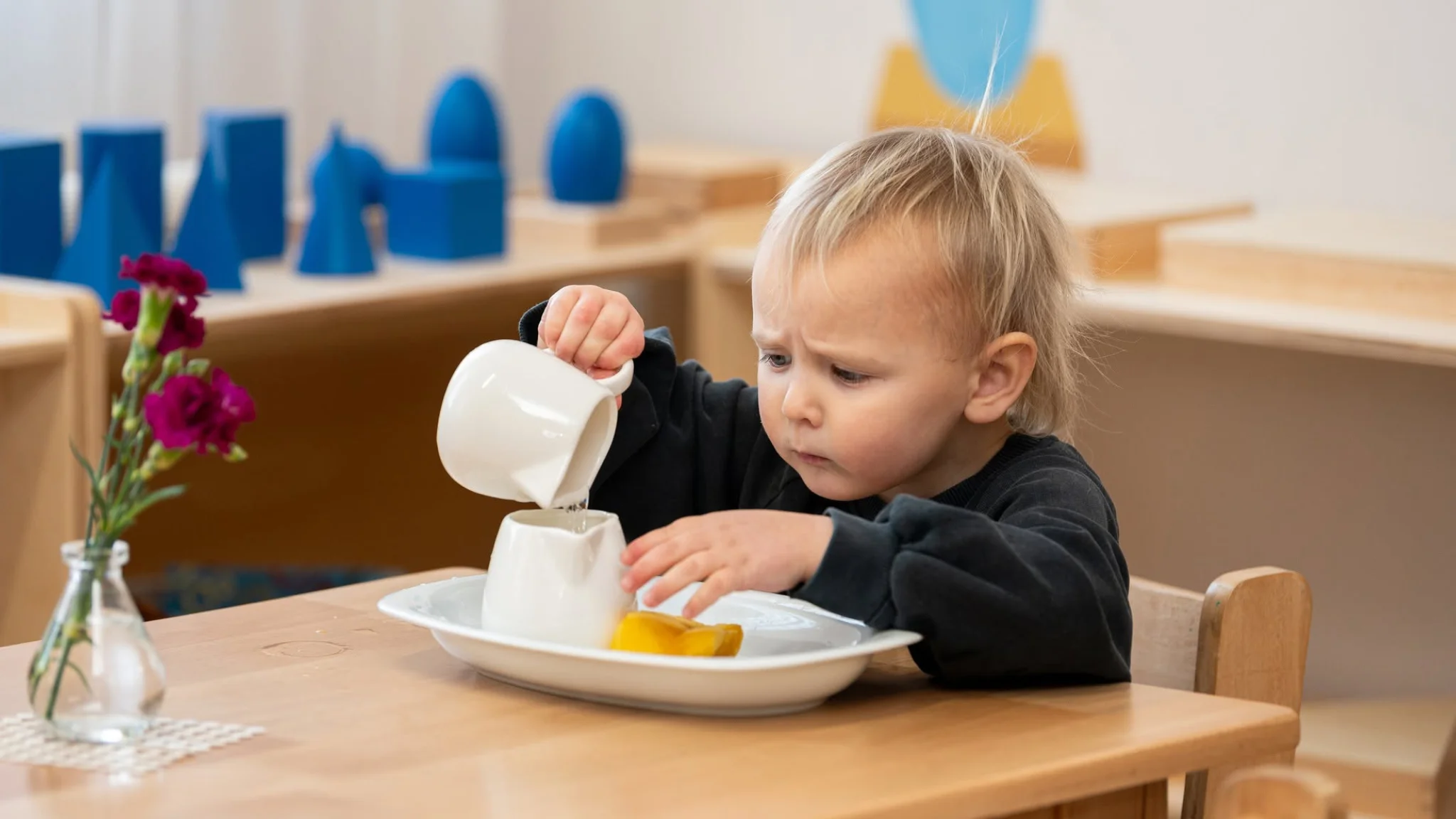
Fostering Independence – Children choose their own activities, make decisions, and learn accountability.
The Prepared Environment – The learning space is structured to allow children to act independently and develop their abilities.
Learning Through Practical Experience – Specially designed Montessori materials help children acquire knowledge through active discovery and hand-on practice.
Mixed-Age Groupings – Children of varying ages interact and learn together, building natural peer collaboration.
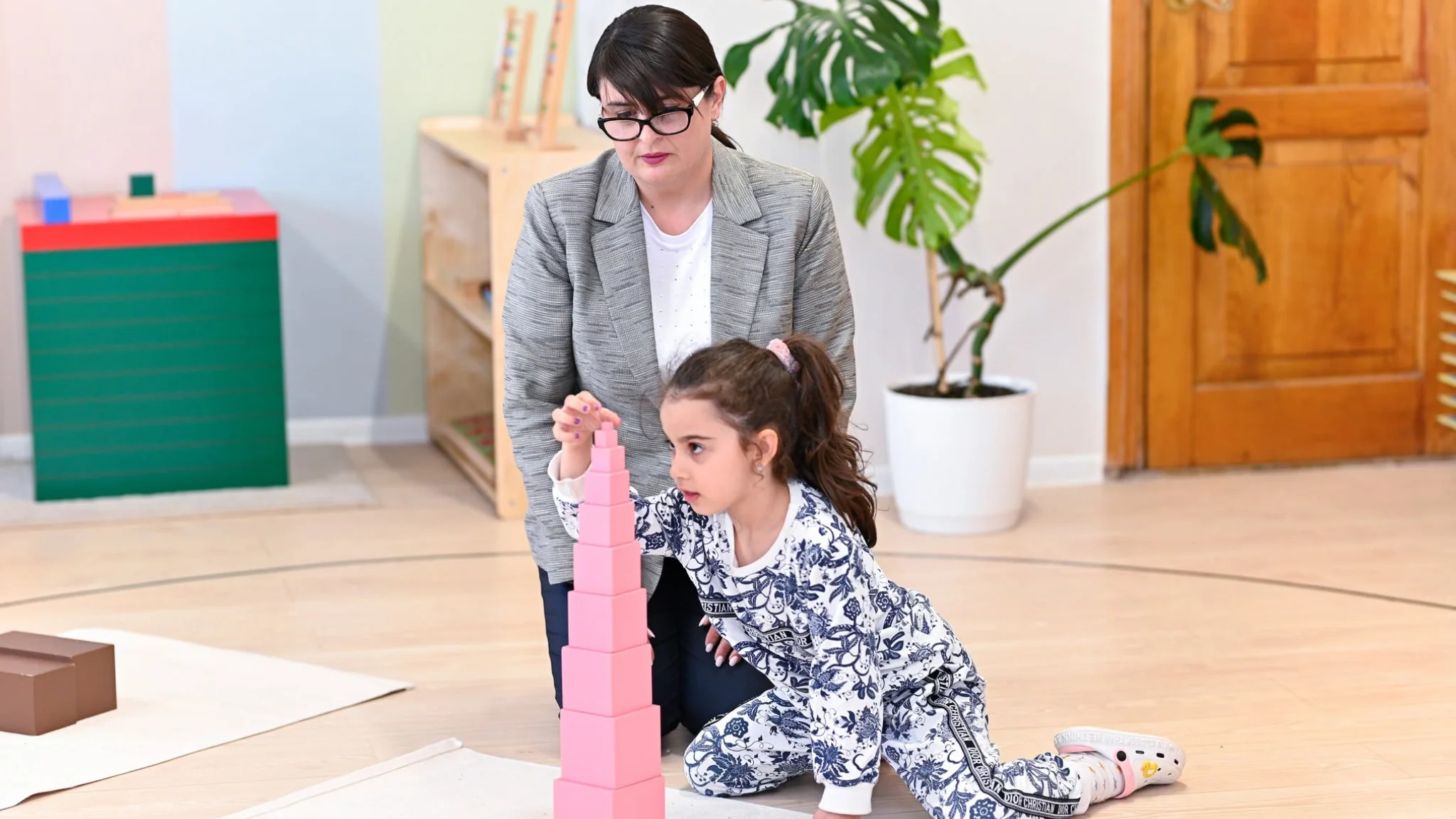
The Educator as a Guide – The primary role of the teacher is to observe the child, understand their needs, and guide their development, rather than merely deliver instruction.
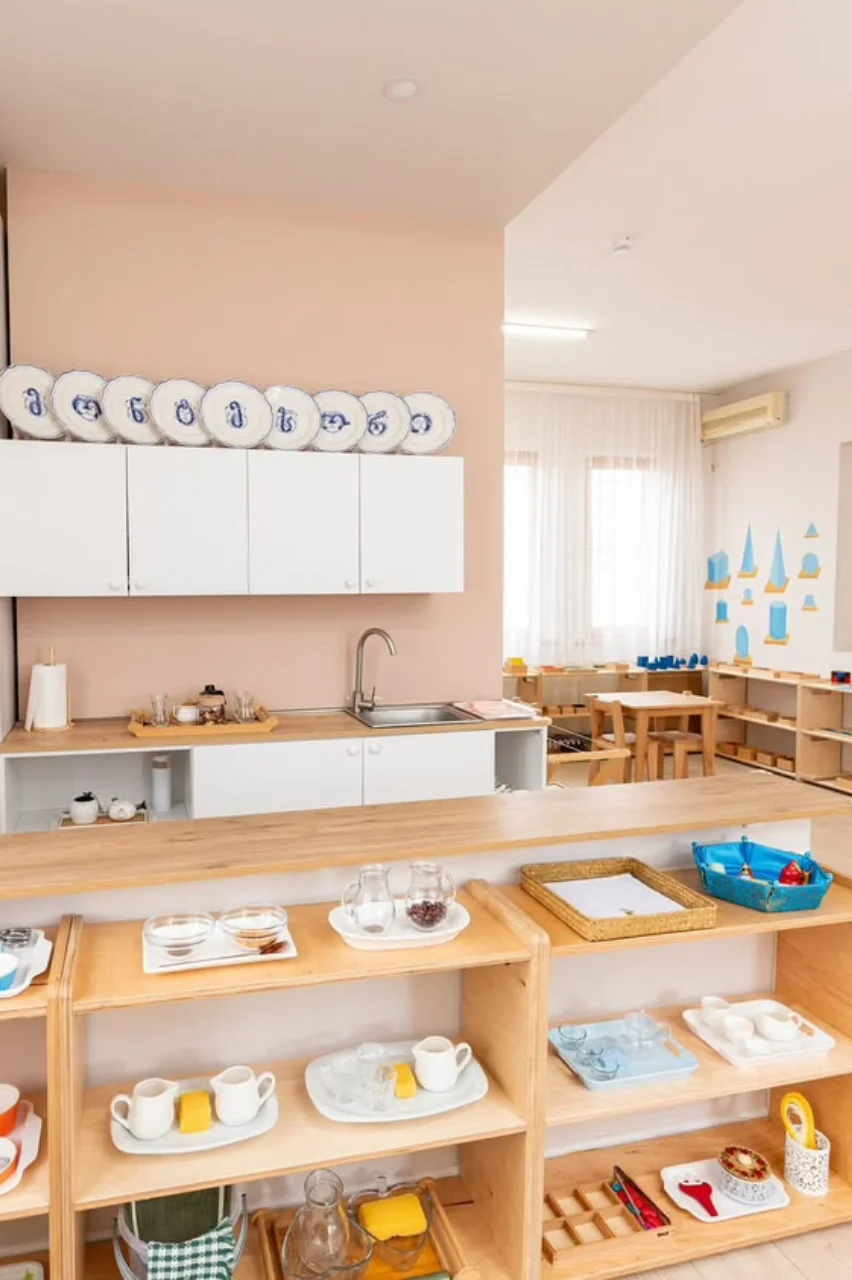
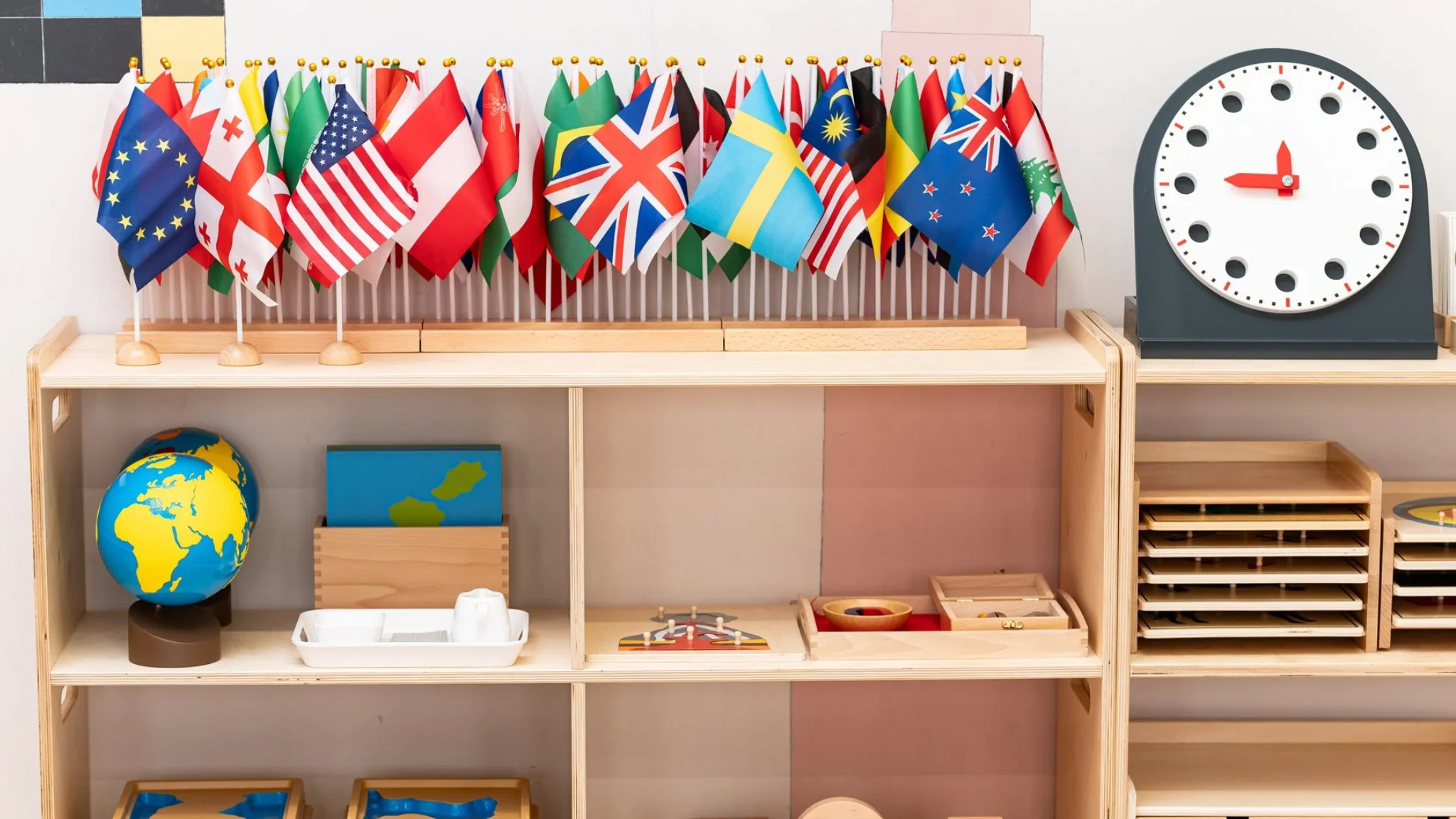
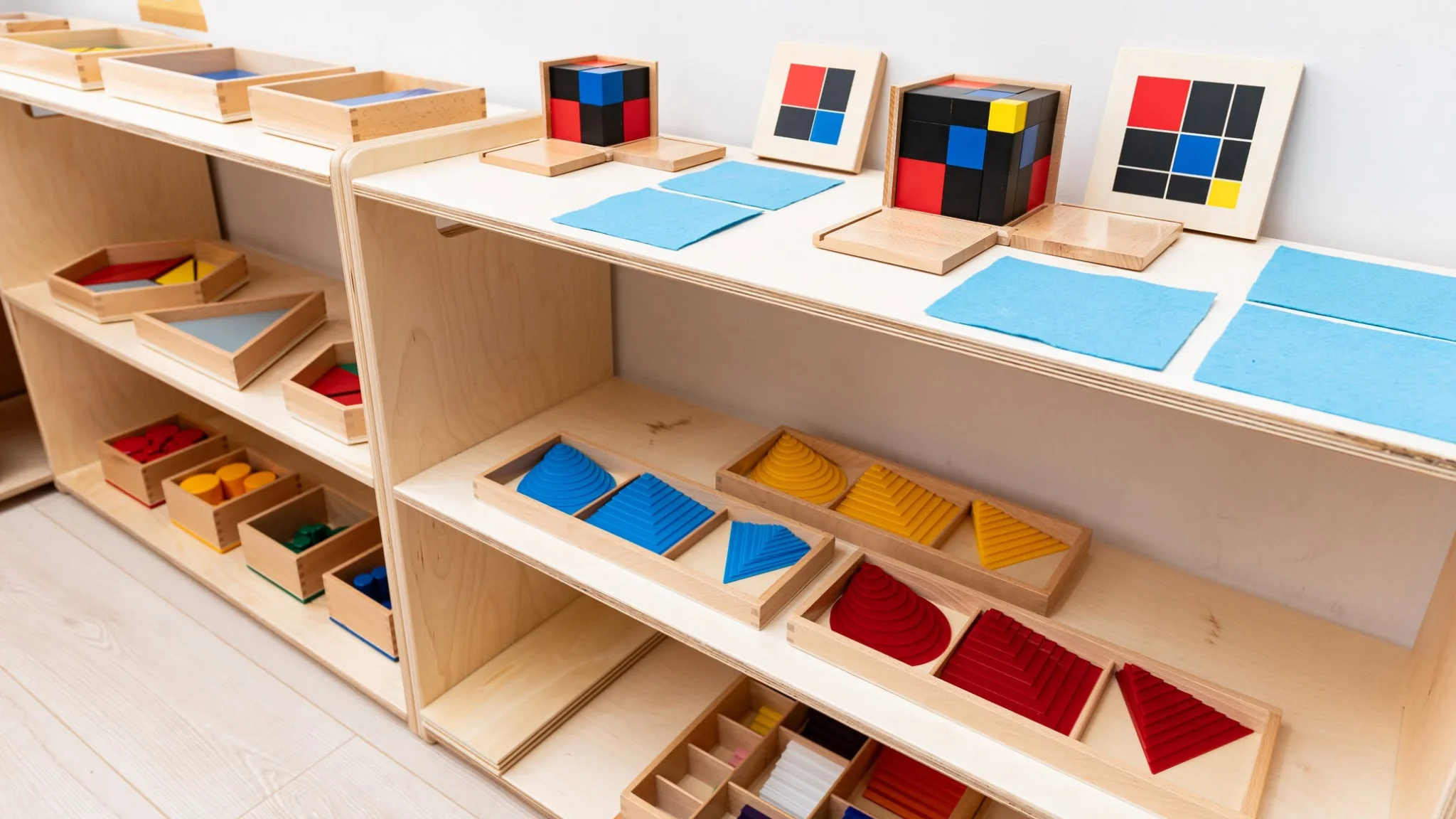
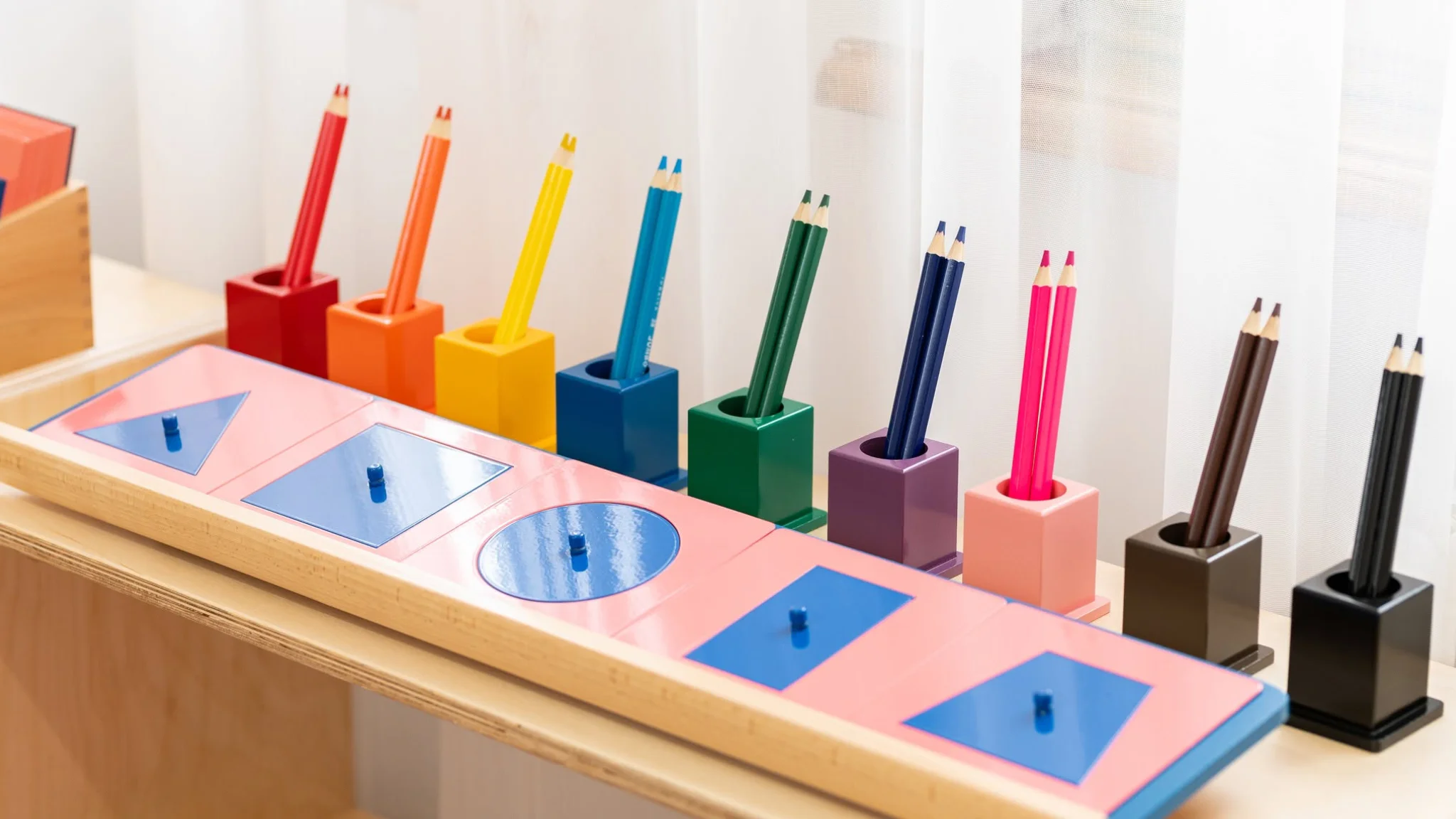
In a Montessori classroom, every learning material serves a distinct developmental purpose. The environment is arranged so that children can independently choose work, engage with it, and return it to its designated place. This practice cultivates responsibility, order, and self-discipline.
Learning materials encompass key areas such as:
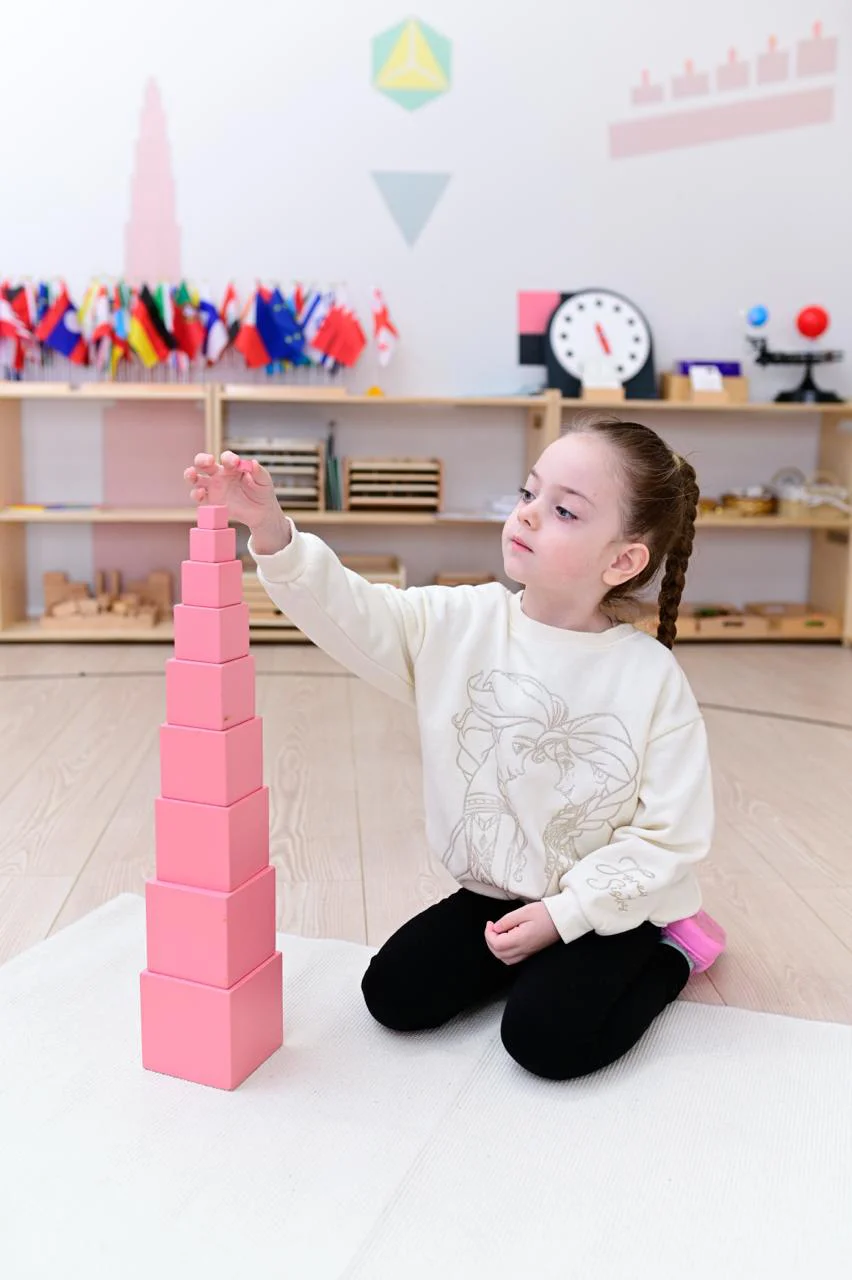
In a rapidly evolving world where information and professional requirements shift quickly, skills like independent thinking, problem-solving, creativity, collaboration, and personal responsibility have become crucial.
Montessori education specifically targets these essential capabilities. The goal goes beyond teaching academic facts: it is to nurture an individual capable of lifelong self-directed learning, self-realization, and meaningful contribution to society.
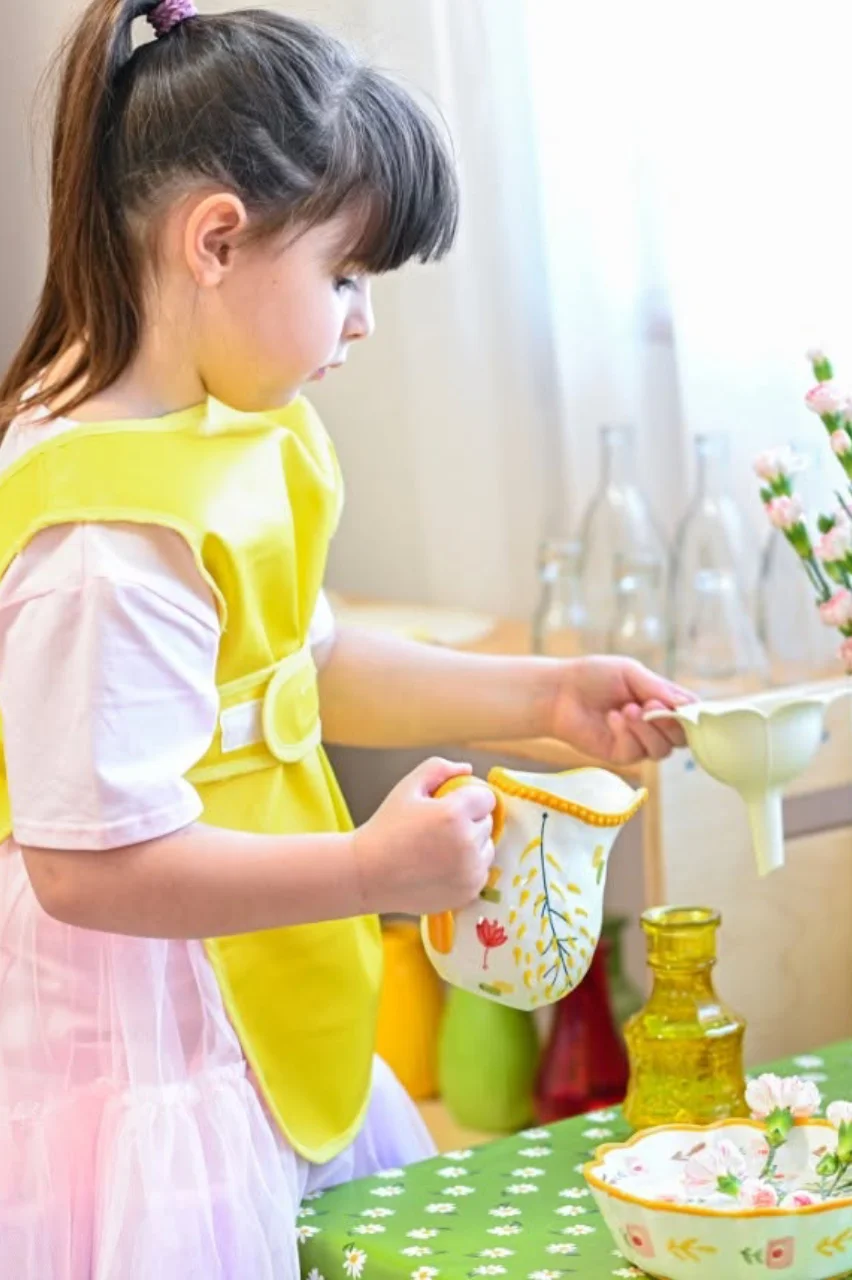
Today, Montessori education is established in numerous countries worldwide, spanning both early childhood and school settings. The method’s ongoing global standards and philosophy are coordinated by the Association Montessori Internationale (AMI), founded by Maria Montessori in 1929.
To this day, AMI safeguards the core philosophy, maintains educational quality, trains teachers, and supports the growth of Montessori pedagogy globally.
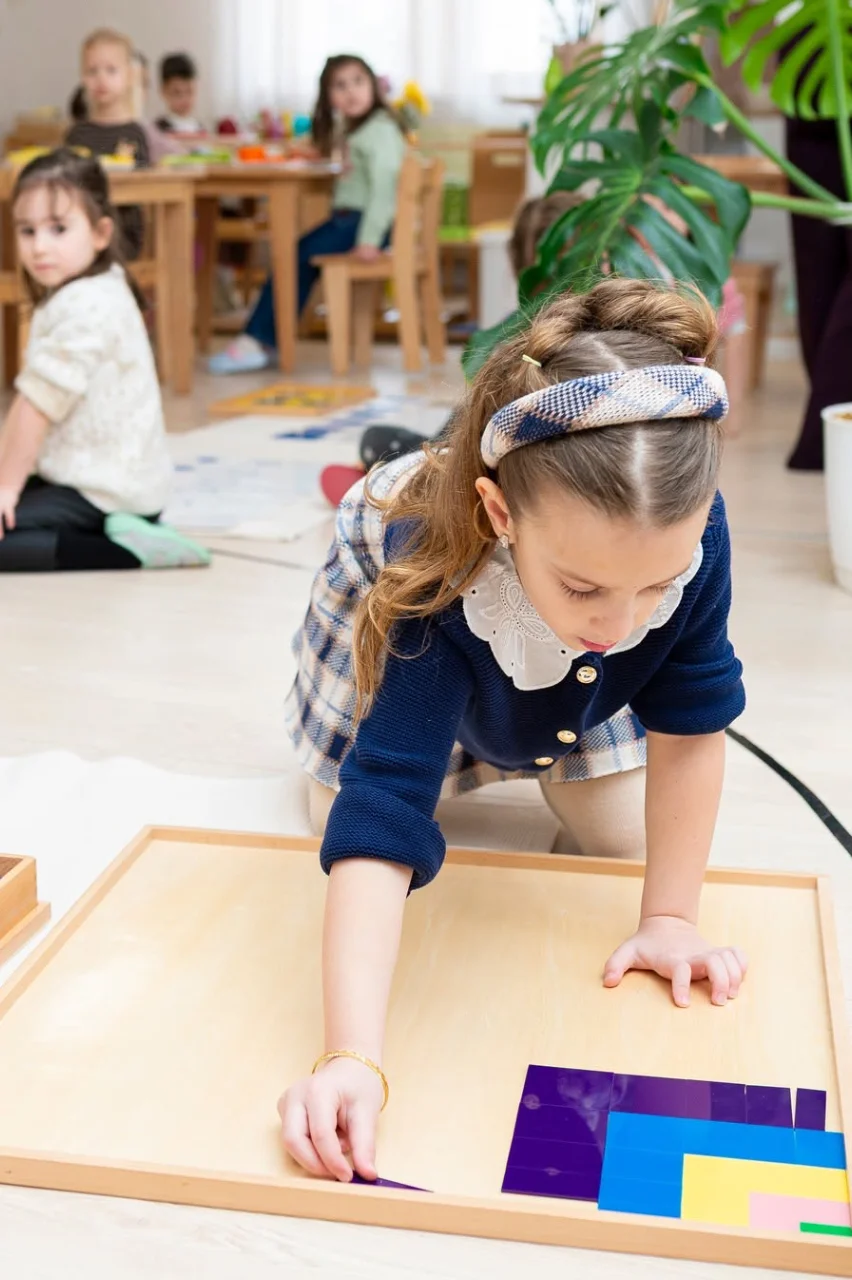
In Dr. Maria Montessori’s vision, the ultimate goal of education is not simply the transmission of knowledge. It is the creation of an environment where a child can fully develop their character, cultivate independence, practice responsibility, build empathy, and learn peaceful coexistence.
Montessori pedagogy continues to stand firm on these pillars: respect for the child, freedom paired with responsibility, and an education that inspires a lifelong passion for learning.
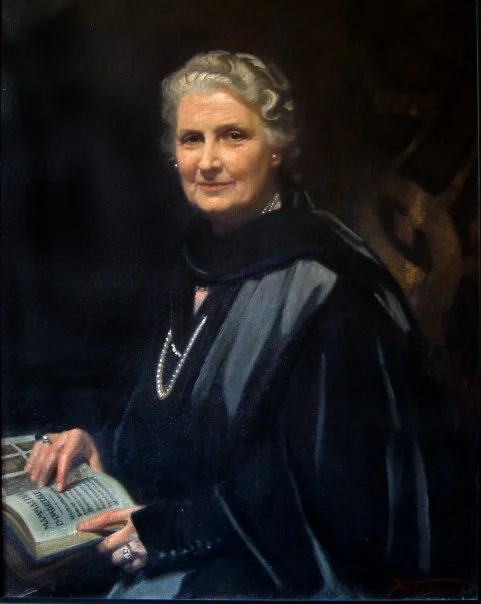
Maria Montessori (1870–1952) was an Italian physician, scientist, educator, and one of the most influential educational innovators of the 20th century. Her namesake pedagogy is practiced in thousands of schools and preschools worldwide and is widely celebrated as a benchmark approach centered on respect for child development, independence, and hands-on experience.
Born on August 31, 1870, in Chiaravalle, Italy, Maria Montessori overcame significant societal barriers of her era to become one of Italy’s first female medical doctors. It was during her medical practice that her deep interest in child development, learning mechanisms, and child psychology emerged.
Over decades of scientific observation across varied settings, she formulated an educational method that supports a child’s natural learning drive. Her work emphasizes that every child possesses an internal developmental timetable and intrinsic motivation, meaning an adult’s primary job is to prepare an environment that supports this process.
In 1907, Maria Montessori opened the first Casa dei Bambini ("Children’s House") in Rome, putting her innovative educational approach into practice. The remarkable results drew international acclaim, leading to the rapid spread of Montessori principles across Europe, the Americas, and globally.
In 1929, together with her son Mario, she founded the Association Montessori Internationale (AMI) — an international body that continues to preserve, advance, and advocate Montessori principles worldwide.

The history of Montessori pedagogy in Georgia spans nearly a century.
In the early 1920s, during the era of the Democratic Republic of Georgia, the Ministry of Education prioritized drawing on European educational breakthroughs. To this end, Lola Kondulmari, a direct student of Maria Montessori, was invited to Tbilisi to conduct a comprehensive Montessori training course.
The course was attended by 36 teachers from various regions across Georgia. Participants learned the core principles and practical techniques of Montessori pedagogy. Following the training, the Ministry of Education imported authentic Montessori learning materials and specialized equipment directly from Italy, equipping several Georgian schools to operate on Montessori principles.
However, following the rise of Soviet rule, Montessori pedagogy was denounced as a "bourgeois" method, halting its formal practice and development in Georgia for decades.
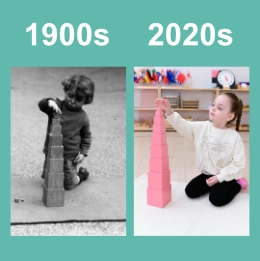
Nearly a century later, the journey of Montessori education in Georgia began its revival.
Association Montessori Georgia aims to advance scientific Montessori pedagogy in the country, introduce global standards, and champion quality education.
A milestone on this journey was the founding of the International Montessori School in 2021, providing children with an authentic Montessori learning environment. This represented a major step forward in building a structured Montessori framework in Georgia.
Another defining achievement for the Association was attaining official representative status from the Association Montessori Internationale (AMI) in Georgia. This partnership integrates the country into the international Montessori community, enabling broader adoption of standards, growth in professional teacher training, and stronger global ties.
Association Montessori Georgia strives to cultivate a sustainable Montessori educational ecosystem across Georgia that nurtures independence, responsibility, emotional well-being, and values-driven growth in children.
To bring this vision to life, the Association works across key areas:

Today, the Association actively drives the growth and awareness of Montessori pedagogy throughout Georgia.
The Association:
Association Montessori Georgia remains dedicated to ensuring that Montessori education in Georgia is accessible, high-quality, and aligned with global benchmarks.
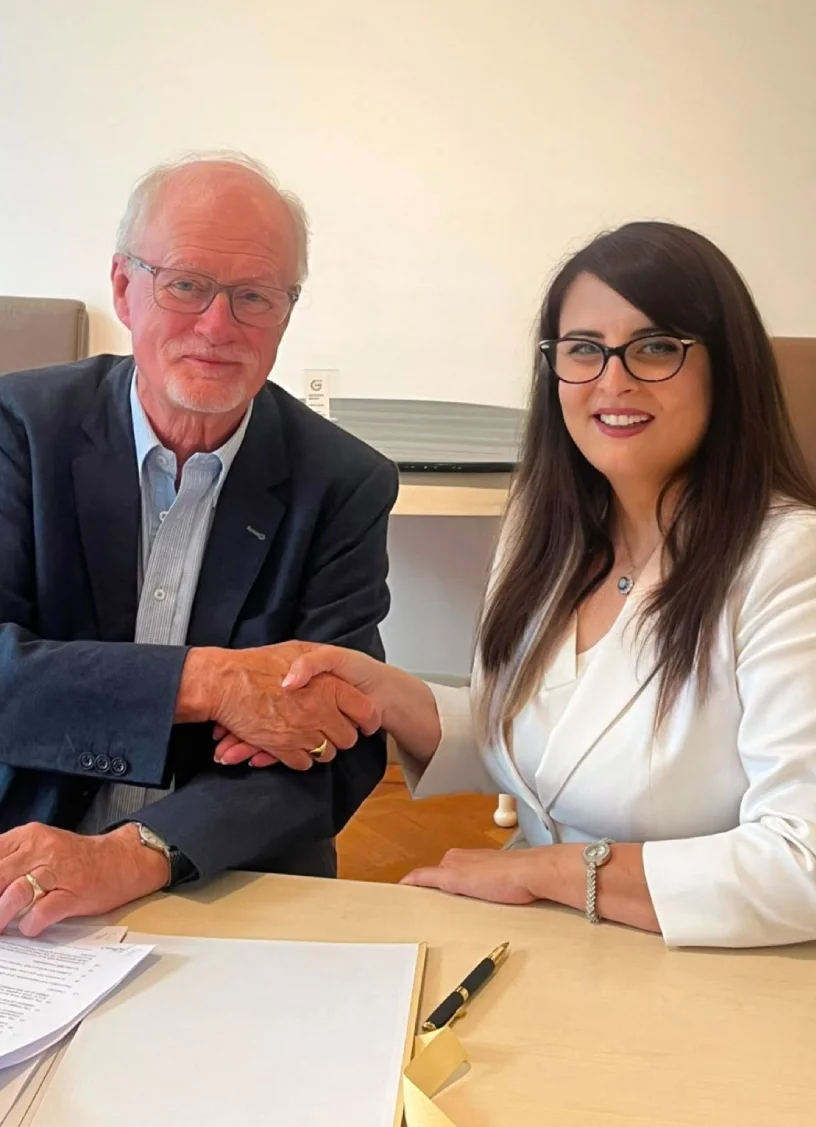
10.07.2026
Association Montessori Georgia Becomes an AMI Affiliated SocietyThe Association has officially become an Affiliated Society of the Association Montessori Internationale (AMI). Georgia is now the 49th country in the world to host an official AMI affiliate.
This international recognition confirms that Georgia has joined the global family of nations sharing the Montessori philosophy rooted in respect for the child, freedom, independence, and humanistic education.
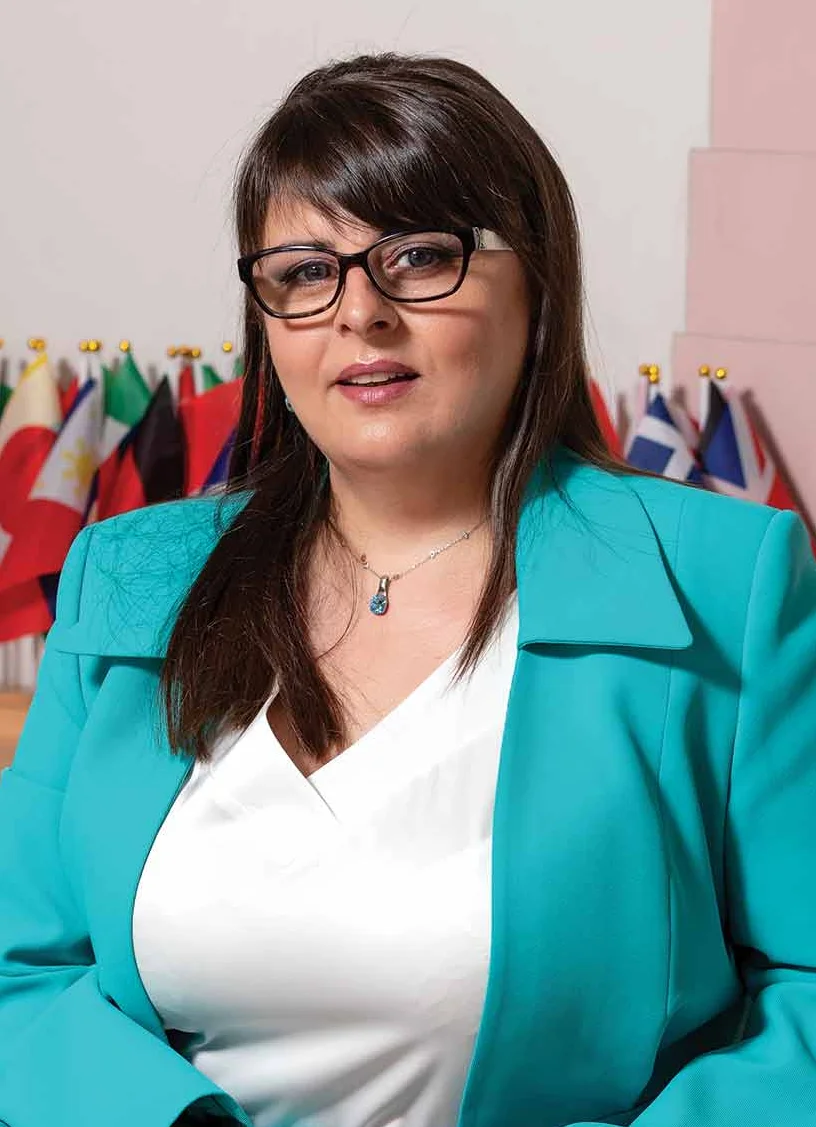
20.06.2026
American Stock News InterviewIn an exclusive interview, Inga Pataraia discussed how Association Montessori Georgia is reshaping early childhood education and introducing AMI standards across the country.
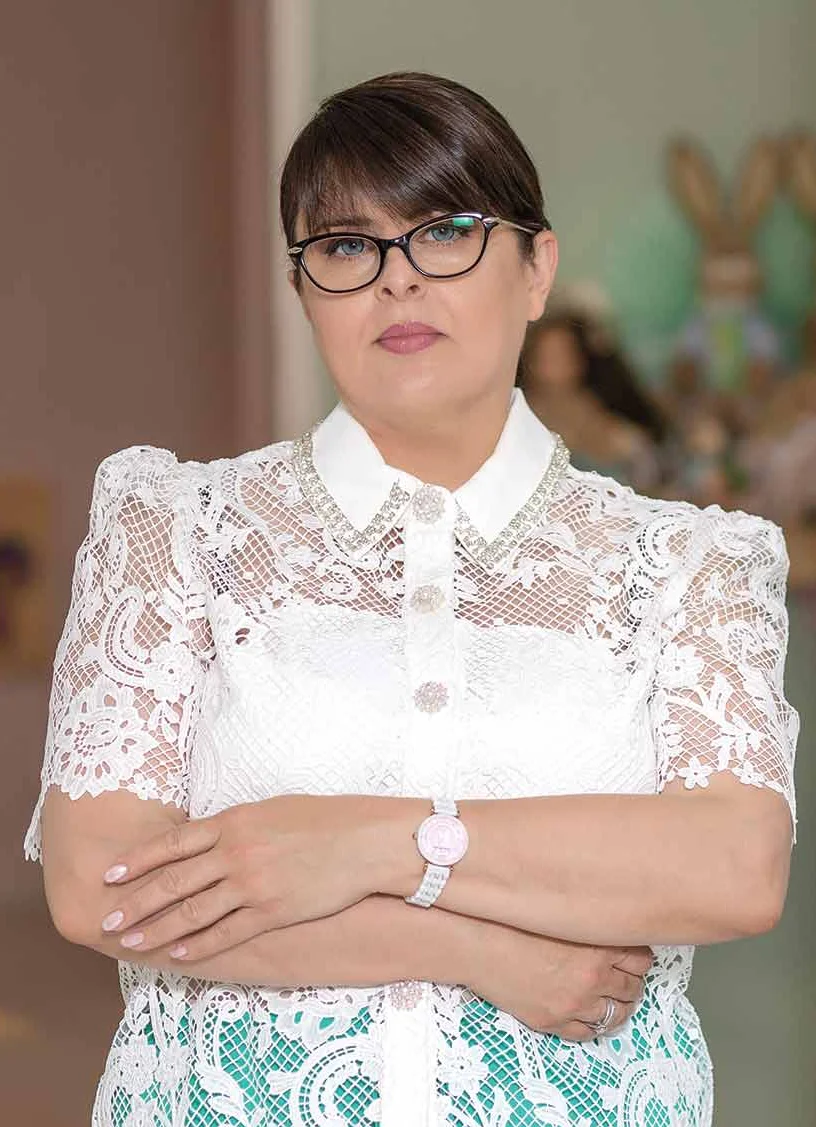
14.06.2025
Golden Brand AwardThe first Montessori kindergarten in Georgia was officially honored with the prestigious Golden Brand award for outstanding contributions to quality education.
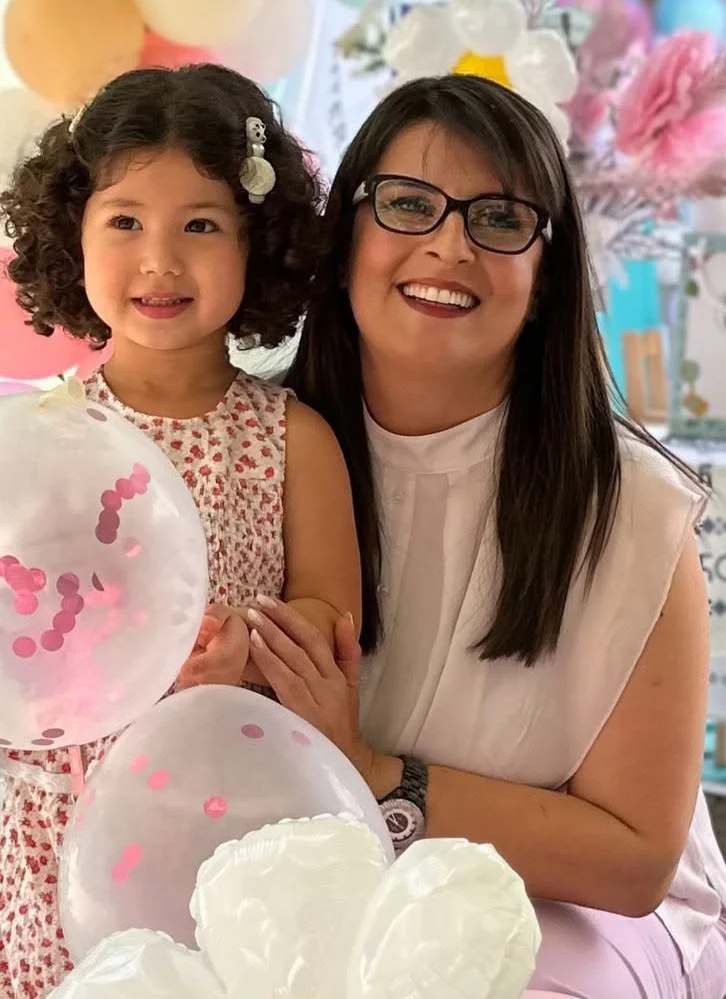
The Montessori Kindergarten opened its doors in Georgia on April 4, 2021. Since its inception, it has taken significant strides in pioneering educational approaches and child development practices in the country.
The kindergarten is led by certified Montessori diploma holder Inga Pataraia, who also serves as Co-Founder and Director of Association Montessori Georgia.
Equipped with authentic Montessori learning environments and guided by trained educators, the institution provides ideal conditions for independence, self-discovery, and holistic child growth.
"The Montessori approach rests on the conviction that a child is intrinsically equipped to be the architect of their own development. Our role is simply to prepare a environment offering freedom, structure, and real-world experience. A Montessori kindergarten is not centered around the teacher; it is an environment where the child becomes an independent, empowered creator. It was a profound realization for me: a child is not an 'empty vessel' to be filled with information — they are already filled with potential for natural development. In a Montessori setting, children do not learn in the conventional passive sense — they grow, evolve, and construct their own understanding independently.
Today, as a diploma-certified Montessori specialist and director of our kindergarten, I feel a deep sense of responsibility — not only to the children in our care, but to society as a whole as we raise the next generation. The Montessori framework gave me tools, but more importantly, it gave me a vision: a vision that education is not merely sharing knowledge, but nurturing humanity," says Ms. Inga Pataraia.
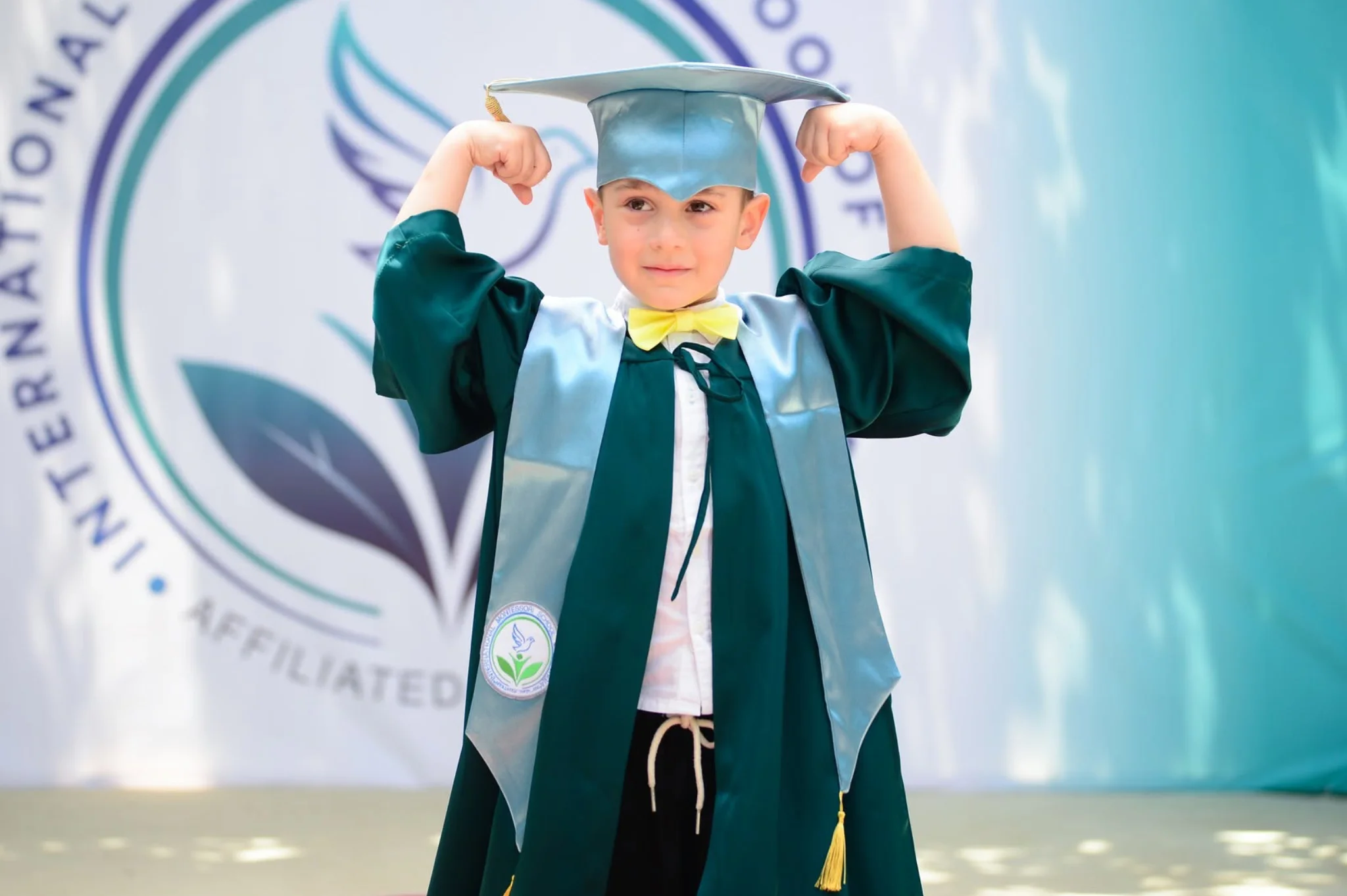
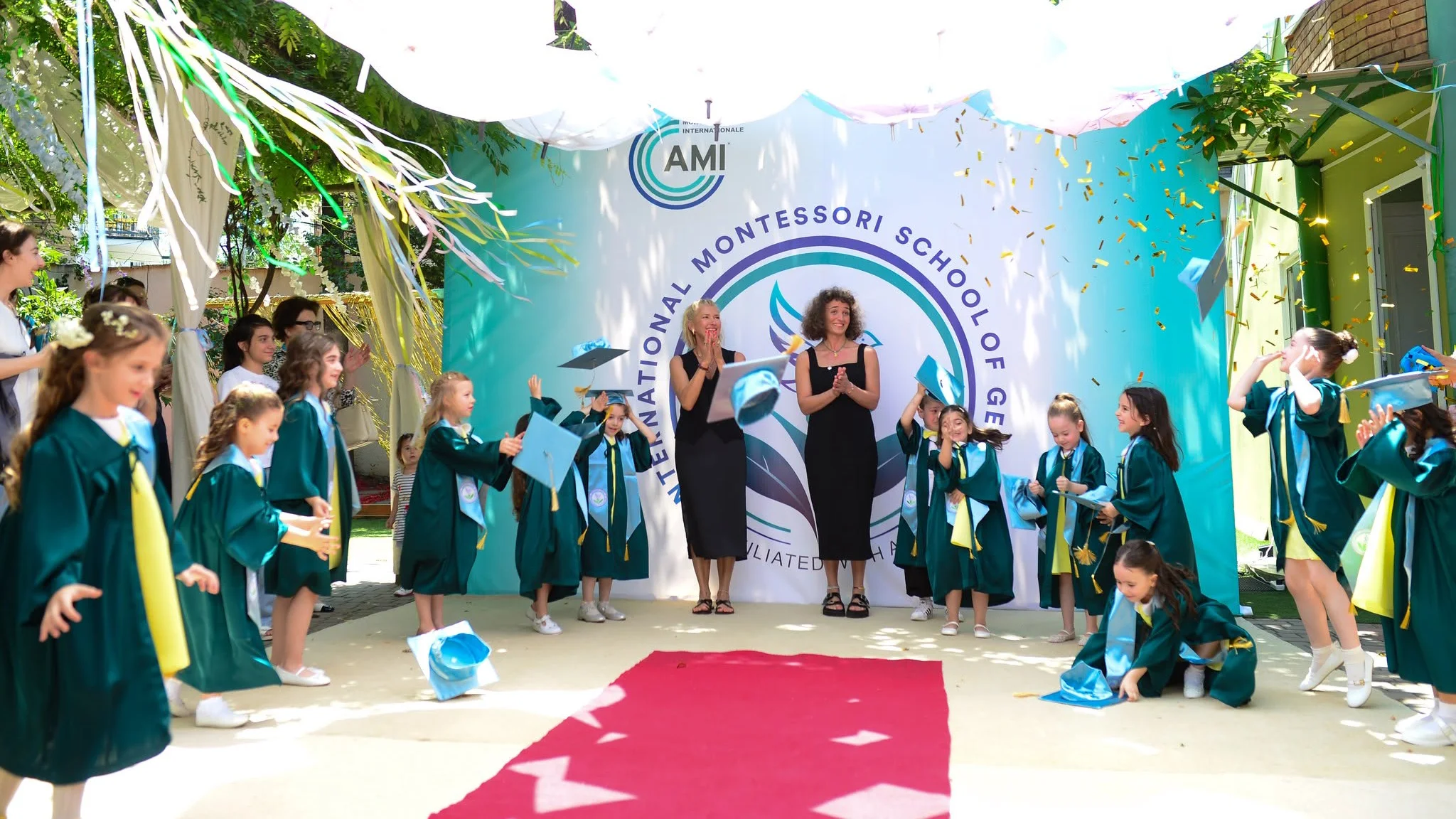
Our closing event was, as always, filled with emotion, joyful memories, and celebration. Following wonderful stage performances by the children, we presented our graduates with their diplomas and certificates, blew out the candles on our celebration cake, and spent the rest of the day celebrating together.
On behalf of the Montessori Kindergarten, we wish all our graduates a bright and successful future. We know they will make us proud time and again!
Join our community and become part of the Montessori family! Registration is now open across all age groups.
In this section, you will learn more about Montessori education, gain theoretical and practical insights, and read experiences shared by educators and parents. Discover how the Montessori method shapes a child’s personal development, fosters self-reliance, prepares them for the future, and differs from traditional schooling models.
Raising a child is one of the most significant and meaningful journeys in a parent’s life. Today, more families are turning toward educational philosophies that respect a child’s individuality, foster self-reliance, and unlock their natural potential. Among these approaches, the Maria Montessori system holds a position of distinction.
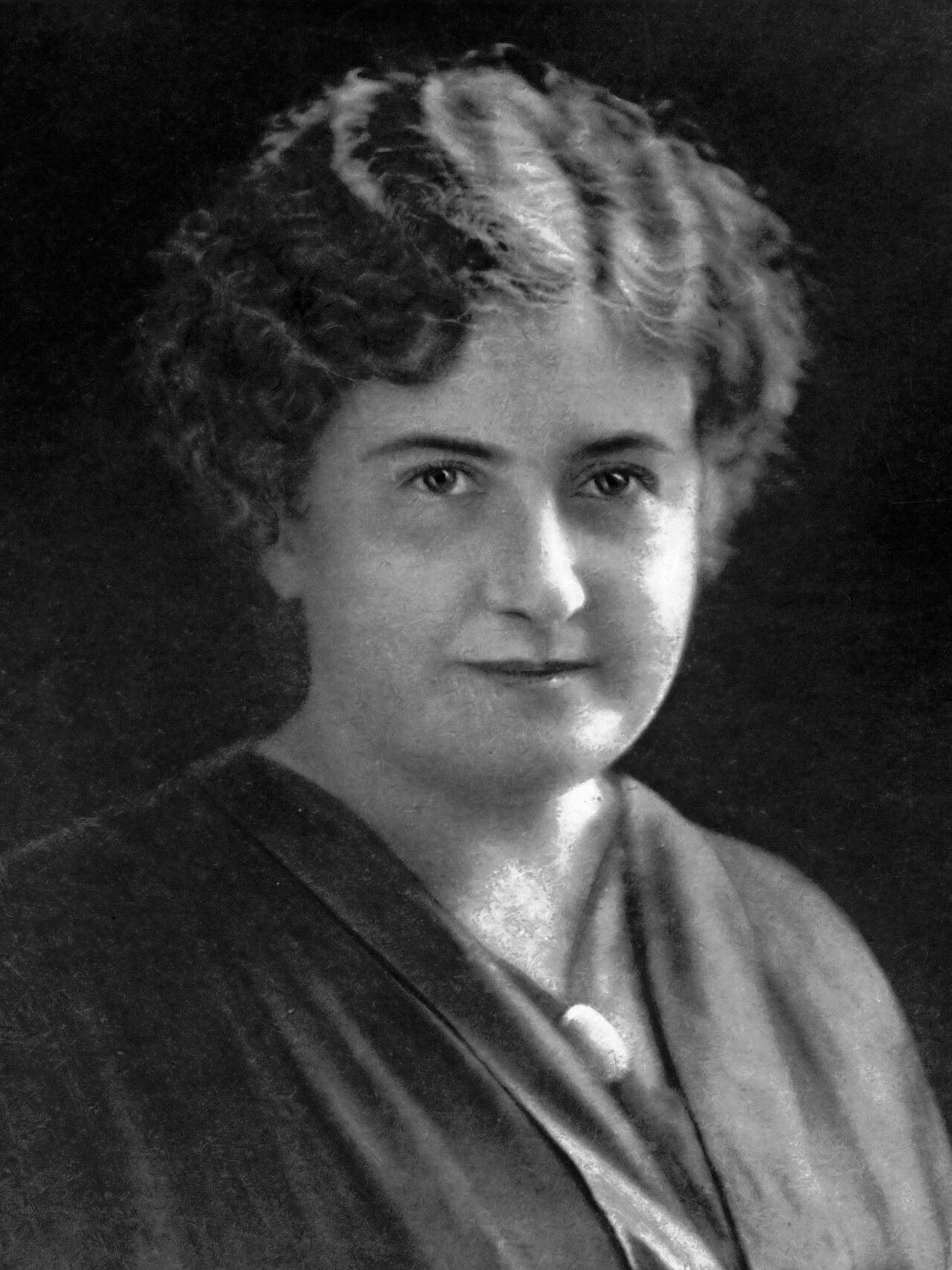
Dr. Maria Montessori was an Italian physician, educator, and innovator who developed a groundbreaking educational philosophy in the early 20th century. Her core premise was that every child is born with an innate drive to develop, and the adult’s primary role is to cultivate a supportive environment rather than maintain constant control.
Today, the Montessori method is widely implemented across the globe, serving as a foundation in both classroom environments and home parenting.
Respect for the Child: At the heart of the Montessori philosophy is deep respect for the child as an individual. Each child possesses a unique developmental pace, interest set, and capability profile. A parent’s goal is not to compare their child with others, but to encourage individual progress.
Building Independence: Montessori often quoted the child’s inner plea: "Help me do it by myself." This phrase encapsulates the method’s core essence. Children should be empowered to dress themselves, choose activities, participate in simple home tasks, and organize their personal belongings. These practices build self-confidence, responsibility, and essential life skills.
The Prepared Environment: A Montessori space is thoughtfully adapted to the child’s physical and developmental scale. Low shelves, accessible books, and child-sized furniture allow independent use. Such environments are safe, orderly, uncluttered, and encourage self-directed choices.
Freedom Within Limits: Children enjoy freedom of choice, but this freedom is balanced with clear expectations. For example, a child may freely choose an activity, but is responsible for returning the materials to their place when finished.
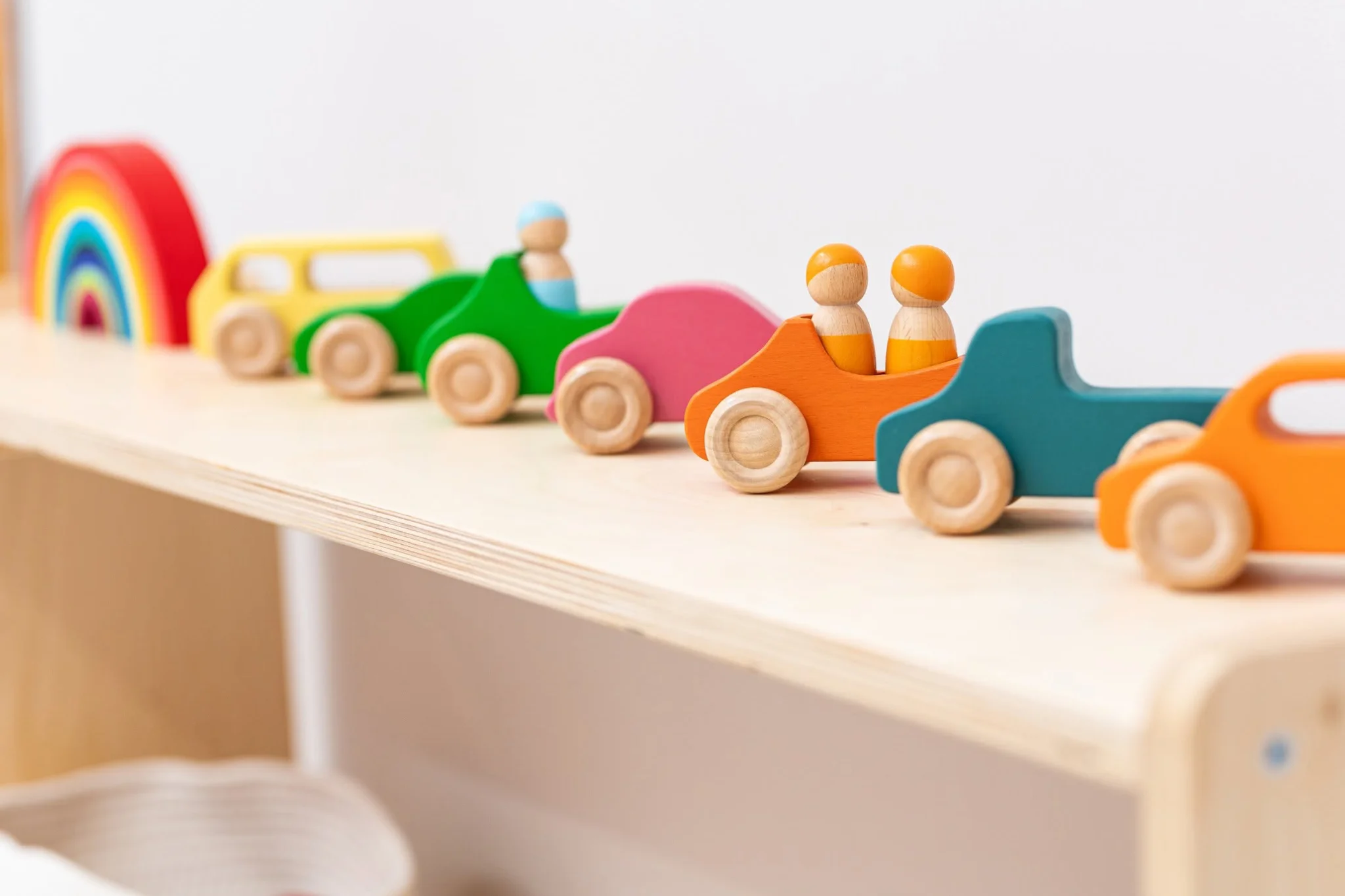
In Montessori practice, toys are more than simple entertainment — they are developmental tools designed to hone specific skills. Common materials include wooden blocks, puzzles, shape sorters, sensorial tools, counting and writing objects, and items crafted from natural materials.
These resources foster:
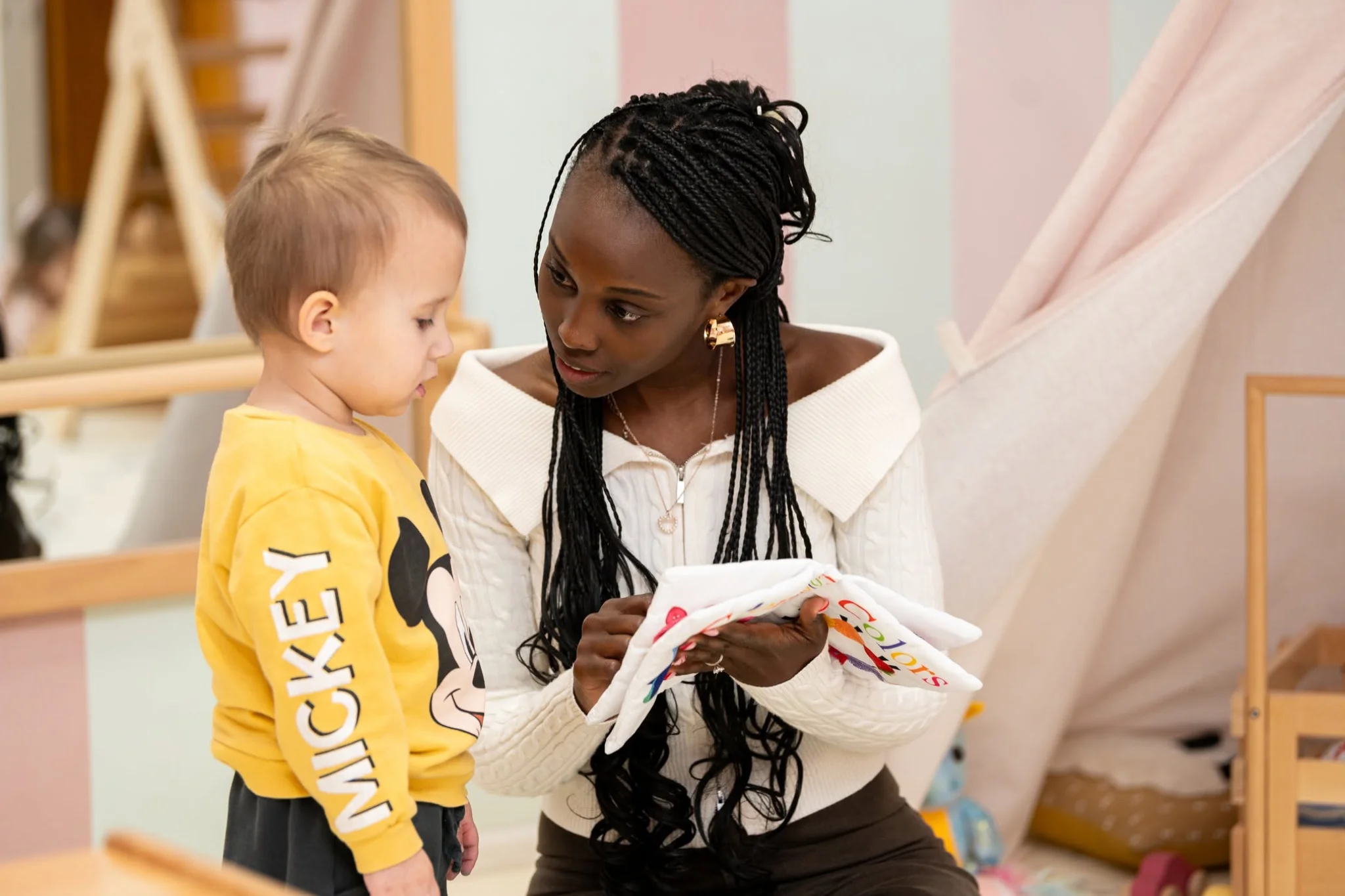
Implementing Montessori at home does not require expensive equipment or specialized schooling. Parents can easily apply key principles:
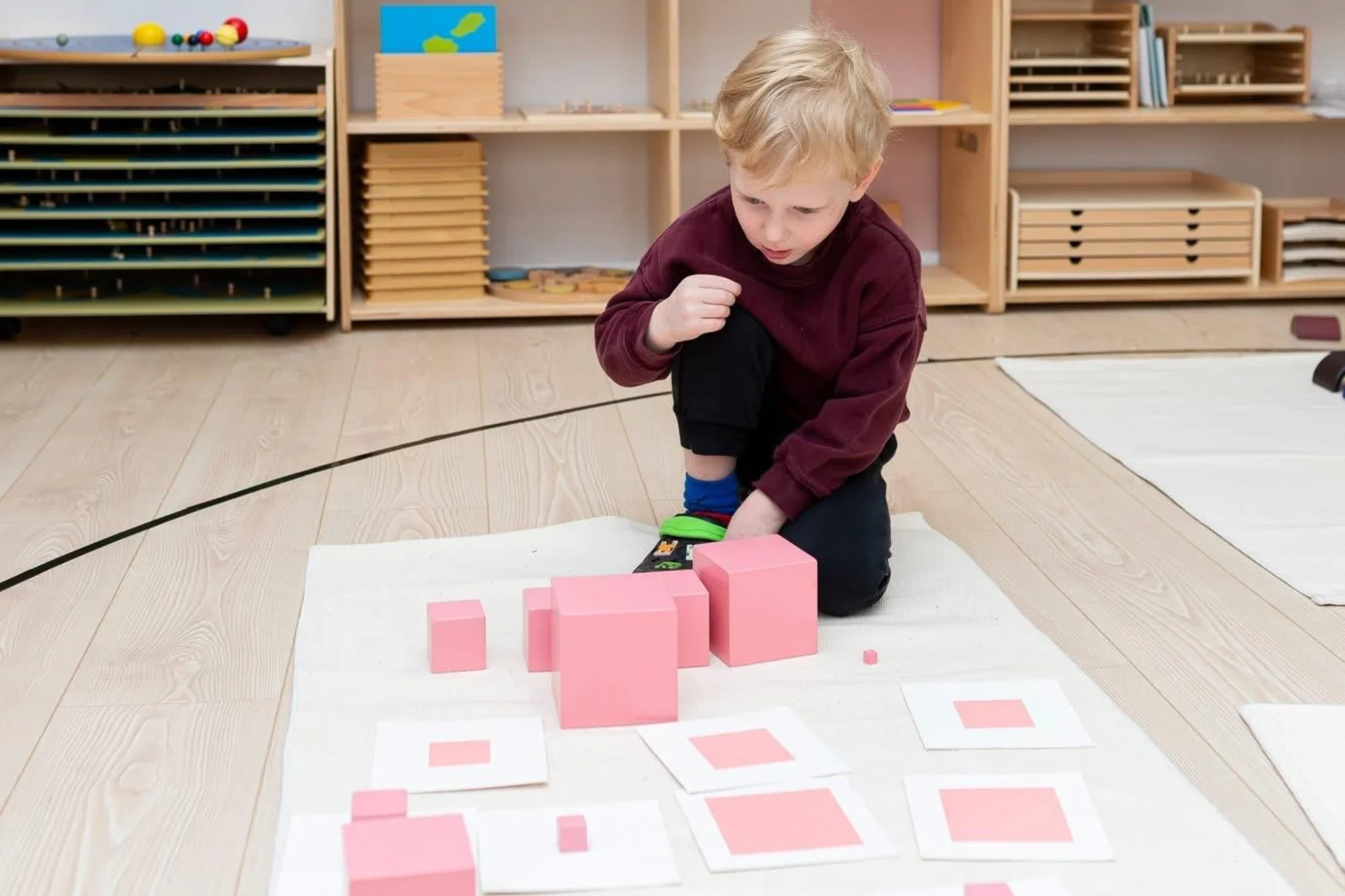
Supported by research and decades of practice, the Montessori approach helps develop:
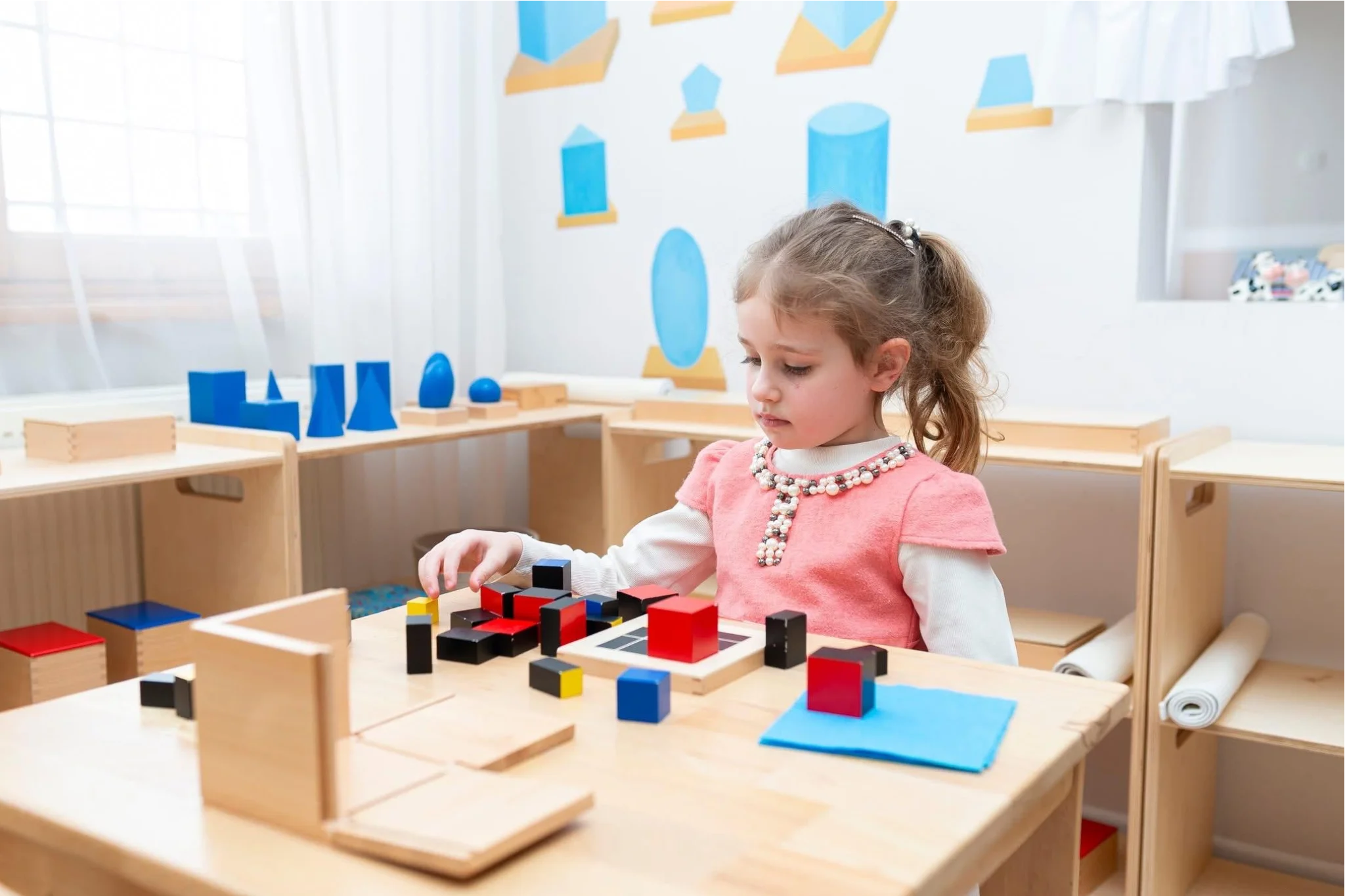
Adopting the Montessori approach requires patience, consistency, and trust in the child. It can often feel faster for adults to complete tasks themselves rather than allowing children the time to try, yet that time is precisely where learning occurs.
It is equally important to note that Montessori does not mean an absence of boundaries. On the contrary, children learn that freedom goes hand-in-hand with personal responsibility.
Maria Montessori’s system of child development rests on honoring a child’s natural growth, nurturing independence, and preparing safe, enriching environments. This approach equips children not only with academic understanding, but also with vital life skills such as responsibility, self-reliance, discipline, and critical thinking.
Montessori schools have thrived globally for over a century, proving the method’s lasting impact. Generations across Europe and the Americas have grown up under the Montessori philosophy. Parents are often curious about prominent figures who attended Montessori schools.
Who are some notable Montessori alumni?
In 2020, Amazon founder Jeff Bezos launched a network of tuition-free Montessori preschools for underserved communities, reflecting on how his own Montessori education began at age two.
Google founders Sergey Brin and Larry Page attended Montessori preschool and have repeatedly credited their Montessori background with fostering their independent thinking, self-direction, and ultimate success.
Apple co-founder Steve Wozniak has also stated that Montessori schools excel above traditional educational models in teaching self-directed, independent thinking.
For additional resources and practical guides, we recommend visiting Aid to Life — an international resource initiative created by the Association Montessori Internationale (AMI).
Our team contributed to this global repository of knowledge by translating the platform’s resources into Georgian, ensuring accessible guidance for harmonious child development for parents and educators in our region.
